

Complete Paver Driveway Guide: Pros, Cons & Maintenance
Find A Local Paver Driveway Contractor
Find A Local Paver Driveway Contractor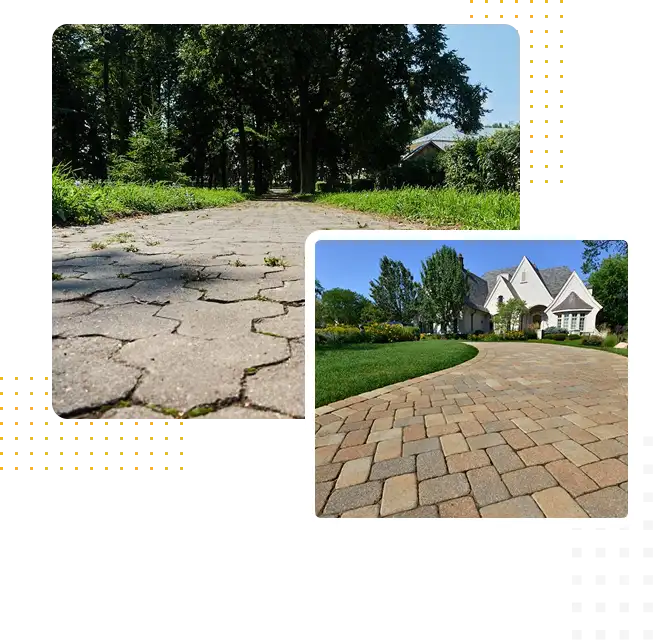
The Pros And Cons Of Paver Driveways
Thoughts to ponder when considering paver driveways.
- What are the benefits of paver driveways versus concrete or asphalt driveways?
- Which driveway surface has the longest lifespan?
- Which driveway surface is best when choosing between paver driveways versus concrete or asphalt driveways?
- What type of ongoing maintenance do paver driveways require compared to concrete or asphalt driveways?
Is Paver Right Choice for You
Discover the unique features, benefits, and styles of concrete, brick, stone, interlocking, and permeable pavers—so you can choose the perfect fit for your home.
More Popular in Warmer States
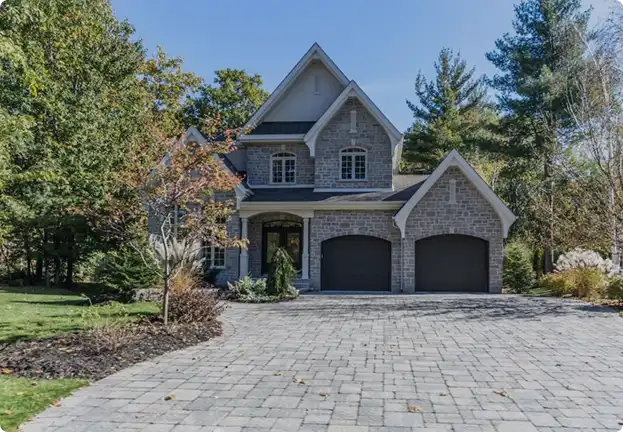
Paver driveways thrive in southern climates with fewer freeze-thaw cycles.
How common are paver driveways?
Paver driveways can be found just about anywhere in the country.
The further south we travel in the United States, the more likely we see concrete driveways and paver driveways while the further north we travel in the United States, the more likely we see asphalt driveways.
This is due to the amount of freeze and thaw cycles that occur in the colder regions and the minimal freeze and thaw cycles we see in the warmer regions.
How well do paver driveways hold up in snowy regions?
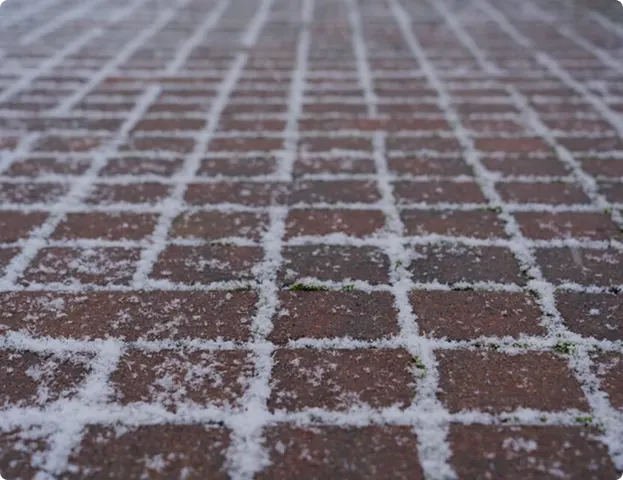
Paver driveways can perform very well in cold, snowy regions IF they are installed properly. An improperly installed paver driveway in a cold snowy region with a lot of freeze and thaw cycles MUST be installed properly.
Paver driveways can be somewhat pliable since they are relatively small in size, allowing for movement from freeze and thaw cycles. Therefore, cracking rarely happens. However, minor heaving can become an issue since it’s much easier for water to reach the sub-grade and freeze and thaw beneath individual pavers, therefore displacing them causing an uneven surface.
Keep in mind also, if you live in a snowy region, shoveling paver driveways can be a chore as there are many edges to catch the shovel edge on. The same can be said for plowing paver driveways.
Paver driveways are extremely durable and can withstand de-icing products like salt, magnesium chloride and other de-icing chemicals.
Durable in Snow—If Installed Right
Paver driveways handle freeze-thaw cycles well when properly installed, but uneven surfaces and tricky snow removal can be challenges.
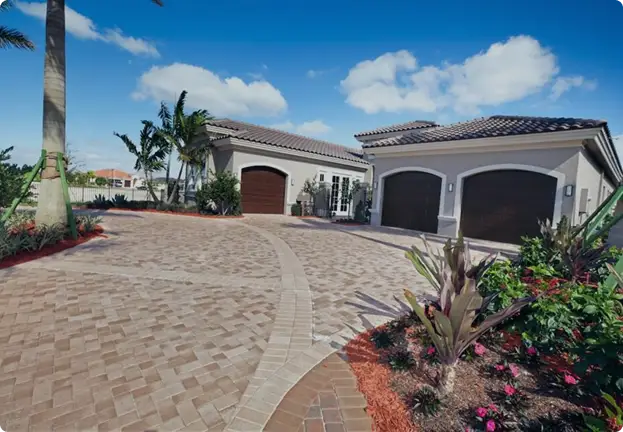
Excellent Performance in Heat—With Soil Care
Paver driveways thrive in hot climates, but maintaining soil moisture around the edges helps prevent shifting or movement.
How well do paver driveways hold up in hot regions?
Paver driveways hold up very well in warmer and hot regions.
There are of course, some things to consider.
Depending on the soil where you live, making sure that the soil/subgrade around and beneath the pavers doesn’t dry too much can be very important.
Some professionals even going as far as recommending adding soaker hoses 18″ along the border of your paver driveway to protect the integrity of the interlocking pavers. Keeping the soil moist may be needed as the contraction of the soil can cause the pavers to heave and move.
A local paver contractor or manufacturer, home inspector, city inspector or engineer will know if this is a concern in your area.
To be certain, hiring a local soils engineer is always the best bet.
How long does it take to install a new paver driveway?
Depending on the size and scope of work involved, the construction of a new paver driveway can be installed by an experienced paver installation contractor generally over a 5 to 7 day period after the sub-grade preparation has been completed.
Even more time may be required in areas where the soil needs to be excavated and allowed to settle before installing the pavers.
Paver driveway installation is very labor intensive since the pavers are each installed by hand.
Once the pavers have been laid, sand is then swept into the seams to help keep the pavers locked in place.
Once a paver driveway has been installed, they can be driven on immediately!
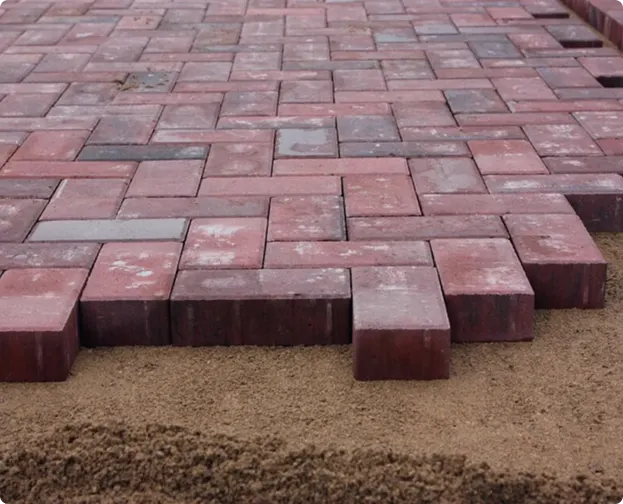
Installed in About a Week—Ready to Use Immediately
Most paver driveways take 5–7 days to install, and can be driven on the same day the work is finished.
Paver Driveways Compared To Other Driveway Types
Explore how paver driveways compare to concrete, asphalt, and gravel in terms of cost, maintenance, and durability—so you can select the perfect driveway for your home.
Installation Cost
Rank
Types
Note
#1
Paver
Most Expensive
#2
Concrete
Moderately Expensive
#3
Asphalt
Affordable Choice
#4
Gravel
Cheapest Option
Maintenance Ranking
Rank
Types
Note
#1
Gravel
High Maintenance
#2
Asphalt
Mid Maintenance
#3
Concrete
Low Maintenance
#4
Paver
Easiest to Maintain
Life Expectancy Of Paver Driveways
This is where the benefits of the upfront costs of a paver driveway become readily apparent.
A properly installed paver driveway with regularly scheduled maintenance can last up to 30, 35 or even 40 years and longer! That variation in age can be determined by the stability of the sub-grade, the quality of the installation, the type and frequency of maintenance, and the climate you live in.
Types of ongoing maintenance you can expect to perform on paver driveways?
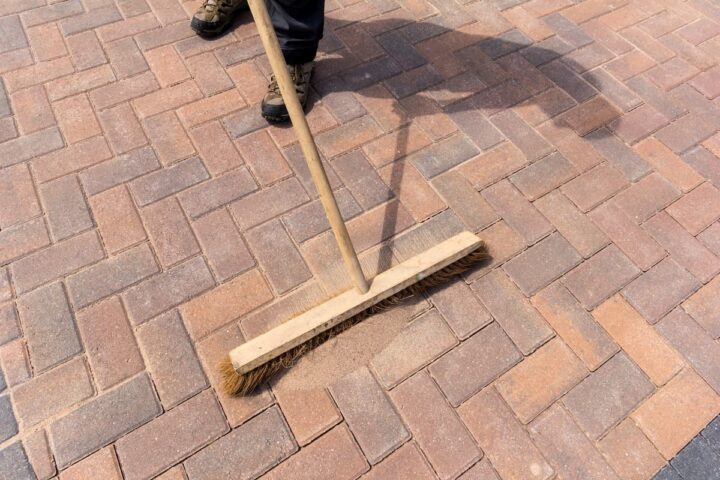
Sweeping Sand
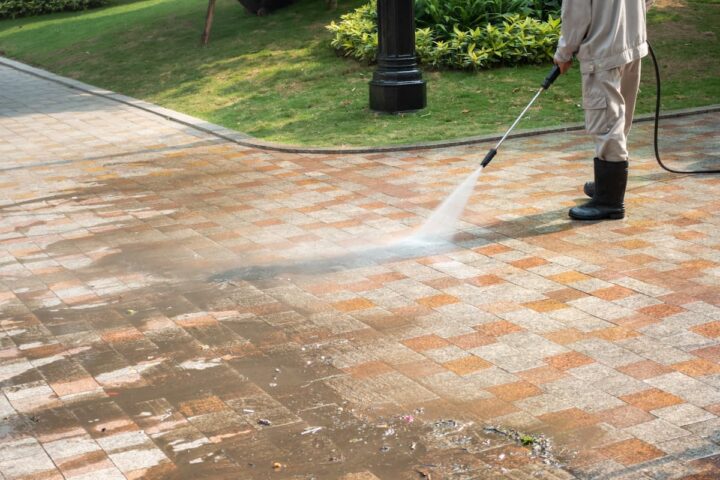
Powerwashing & Sealing*
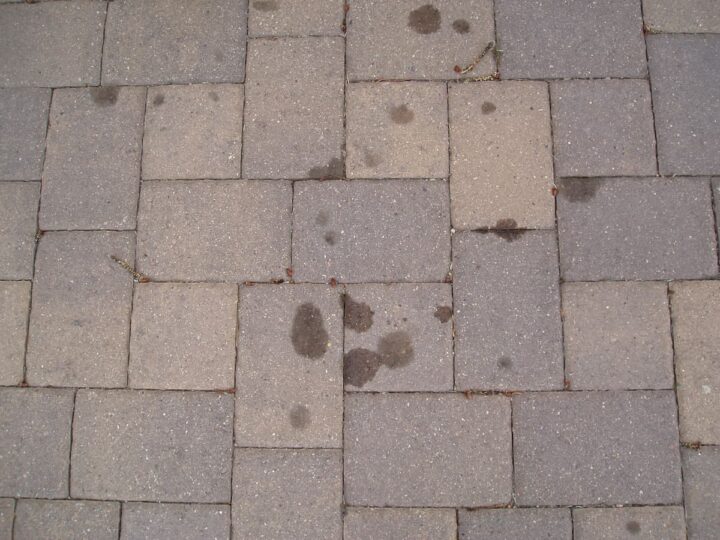
Treating Oil Spots
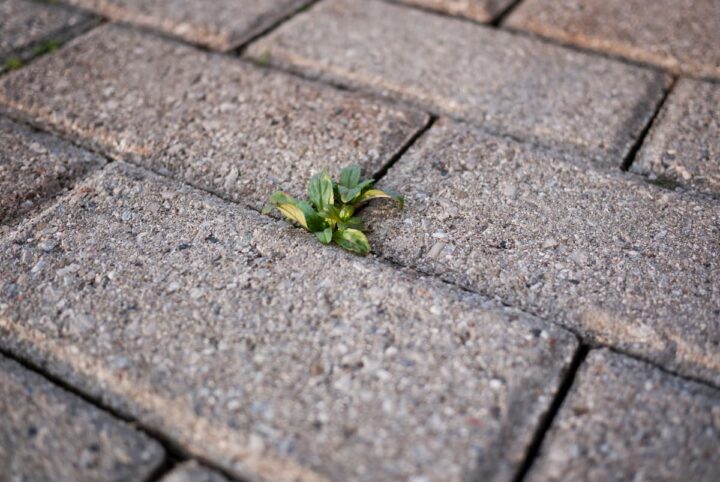
Weed Control
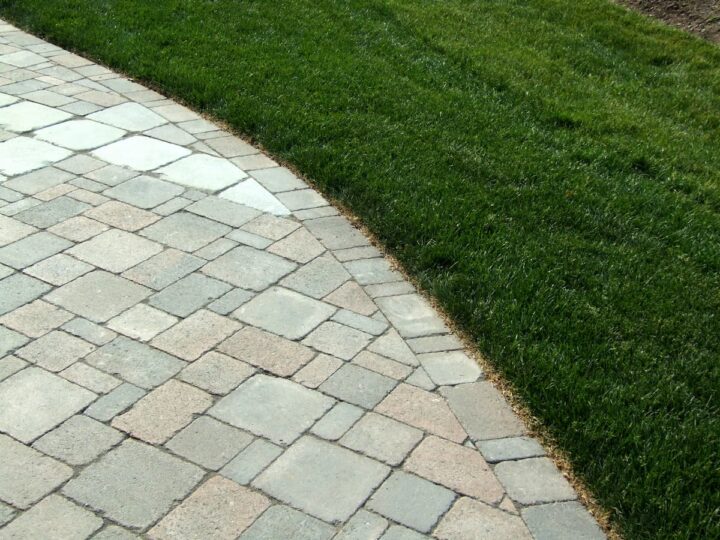
Edging
Keep in mind that with a paver driveway, when comparing the upfront costs to an asphalt or concrete driveway, you’re essentially paying for the ongoing maintenance up front.
Paver driveways require such little ongoing maintenance, that when comparing the up front costs to an asphalt or concrete driveway, essentially what you’re doing is trading the long term ongoing maintenance costs over the lifetime of an asphalt, concrete or even gravel driveways for little to no maintenance.
Some paver installation contractors even offer a lifetime warranty! But keep in mind that a company’s warranty is only as good as the contractor that’s installing it. What good is a lifetime warranty if the contractor who installed it isn’t around to make good on it?
*Most paver manufacturers do not recommend sealing pavers. Once a paver driveway has been sealed, it will always need to be sealed on a regular basis to keep it looking presentable.
Also take into consideration the effects on paver driveways if they're not maintained properly and how they can look as they age.
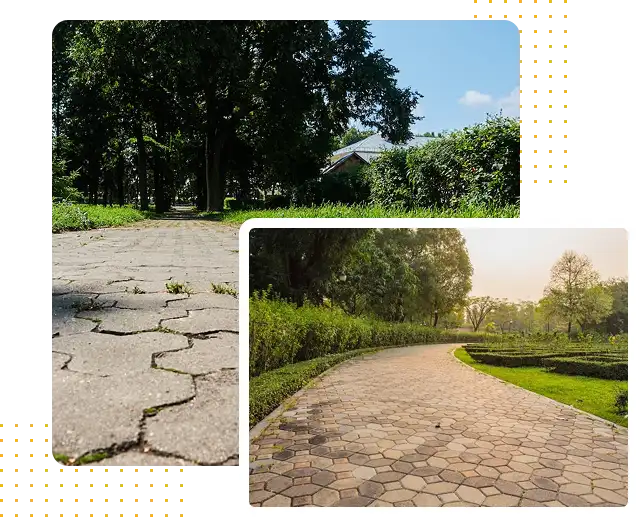
As you can see, not maintaining a paver driveway at all leads to weeds growing in the cracks and overgrowing the edges, heaving and unevenness.
If you already own a paver driveway and it’s beginning to show the signs of aging and deterioration, has a tremendous amount of weeds, heaving issues, removing and replacing the driveway and starting from scratch may be the only option.
This absolutely should be performed by a reputable paver company that will do it right the first time. If the existing paver driveway shows signs of unstable sub-grade, the soil should be excavated and new base or structural material installed and then the new paver driveway installed for a solid, long lasting driveway.
Choosing The Right Driveway For Your Home
When choosing between paver driveways and the other three types of driveways, consider these questions:
01
ARE Paver Driveways Compliant with your HOA OR Municipality?
Be sure and check with your HOA (if you have one) or your local government municipality to make sure paver driveways are acceptable in the area you live. Some HOA’s, municipalities or developments do not allow paver driveways.
02
Will A Paver Driveway Look Good In The Neighborhood You Live In?
Will a paver driveway look good in front of your home? Maybe a different type of driveway will look better. Have you explored your options?
03
Will A Paver Driveway Stand Up To The Elements?
What is the climate like in your region of the country? Is it cold and snowy? Rainy and wet? Hot and dry? Be sure and select a driveway type that make sense for your region. Paver driveways are great for warmer and hot climates. Paver driveways can be equally durable in cold, snowy climates provided they are installed properly.
05
How Much Maintenance Will A Paver Driveway Require?
If you want your driveway to last a lifetime, regular maintenance plays an important role in how long your paver driveway will last.
05
Is A Paver Driveway Durable Enough For Your Needs?
How much and what kind of traffic do you expect to use your driveway? Normal, everyday passenger vehicle use or heavy vehicle use? Select a Driveway that make sense. Any type of driveway must be designed and built properly for heavy vehicles like trash trucks, propane delivery trucks and septic cleanout trucks.
06
Does A Paver Driveway Fit Your Budget?
Select a driveway that fits into your budget short term and long term. Would a higher maintenance driveway like concrete or asphalt fit in your short term budget better? It’s a trade off for more ongoing maintenance, but less up front costs.
Summary Of Paver Driveways
A beautiful, economical choice for a hard surface driveway.
Benefits
Discover the key advantages that make paver driveways a stunning and practical choice for homeowners.
- Wide Variety of Styles: Choose from numerous colors, patterns, and paver types to create a unique, one-of-a-kind driveway.
- Enhanced Curb Appeal: Adds beauty and character that boosts your home’s overall look.
- Durable & Repairable: Individual pavers can be replaced easily, making maintenance simpler and cost-effective.
Learn & Protect
Access expert guidance, maintenance tips, and answers to common questions to keep your paver driveway in top condition.
- Installation Guidance: Explore FAQs on new paver driveway installations and what to expect during the process.
- Maintenance Tips: Find answers to common questions about caring for your paver driveway over time.
- Project Support: Get help with decision-making whether you’re installing, repairing, or maintaining your paver driveway.